

• Karolina Kontou
Orthodontics for Children
Bringing smiles to life!
— Orthodontic treatment
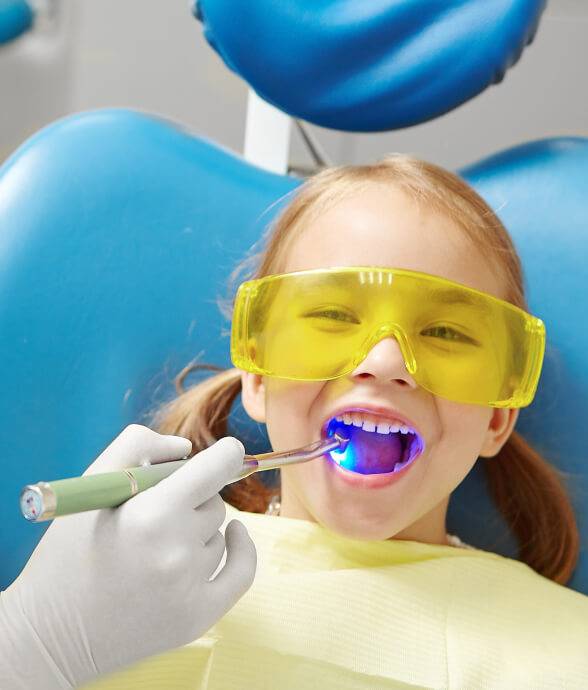
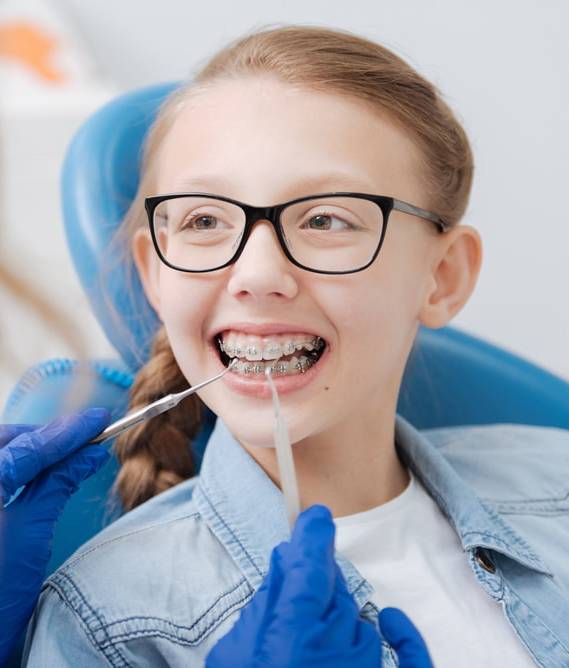
The American Association of Orthodontists recommends that the first orthodontic check-up should be done at the age of 7.
At this age, most children have both primary (baby) and permanent teeth in their mouths. Orthodontic treatment for children is mainly preventive, meaning it helps prevent the development of orthodontic problems.
Habits Cessation • Tooth Loss • Asymmetry
Orthodontics for Children
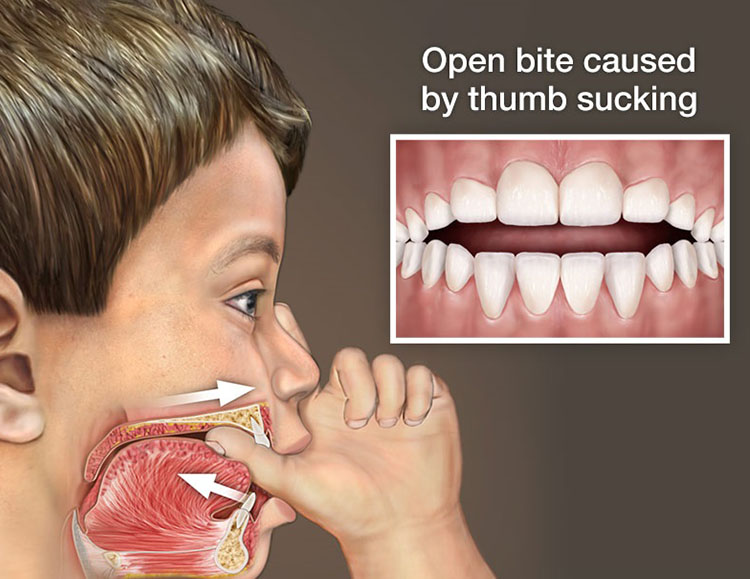
Habits Cessation (such as thumb/sucker/pacifier sucking)
This habit can cause disruptions in the normal development of the teeth and the proper function of the mouth. To eliminate the habit, either a fixed or a removable orthodontic appliance can be placed.
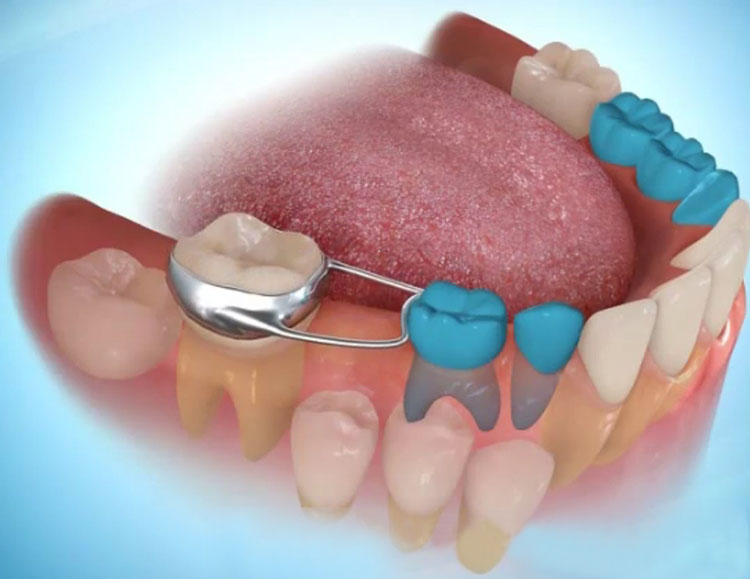
Premature loss of primary teeth
In this case, a space maintainer should be placed until the corresponding permanent tooth erupts.
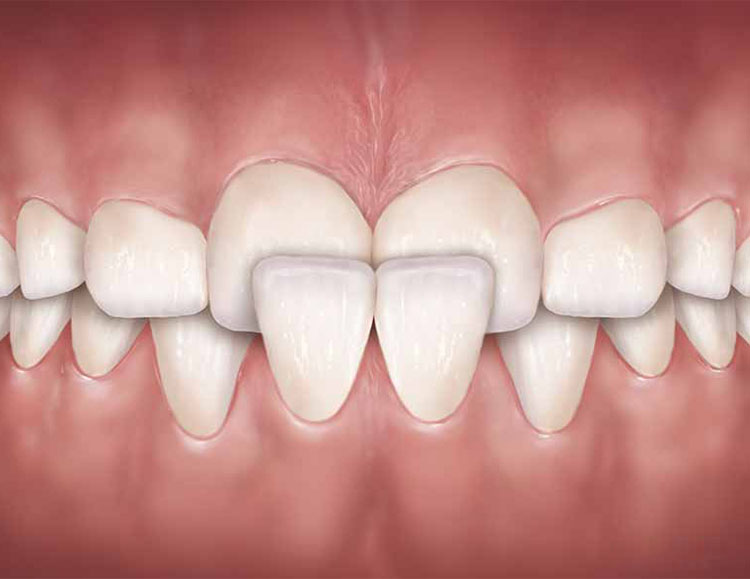
Asymmetry in teeth/jaws and face
If a front upper tooth closes further back compared to the corresponding tooth in the lower jaw, or if the upper jaw is narrower than the lower jaw, causing the lower jaw to deviate during closure, local and/or systemic disruptions (in the overall function of the stomatognathic system) may occur.
Prognathism • Retrognathism
Orthodontics for Children
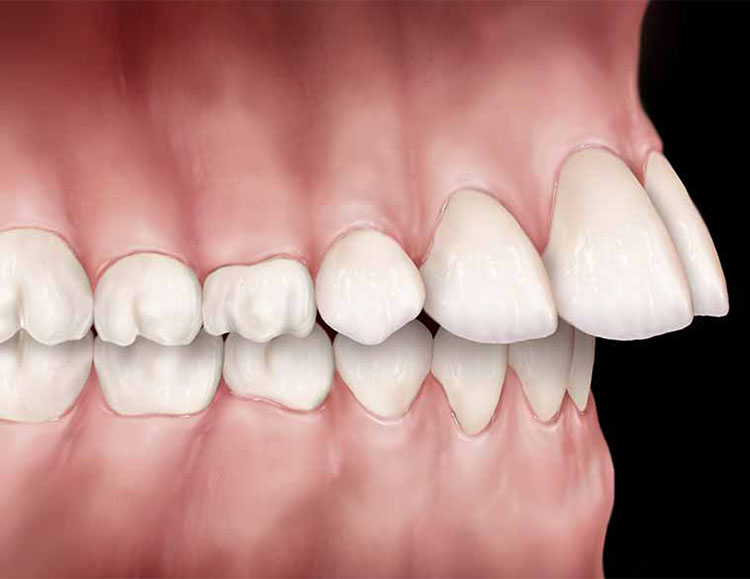
Prognathism of the upper jaw or/and retrognathism of the lower jaw
When the upper jaw is positioned more forward in relation to the lower jaw, the upper teeth appear to protrude, and there is an increased risk of injury to them.
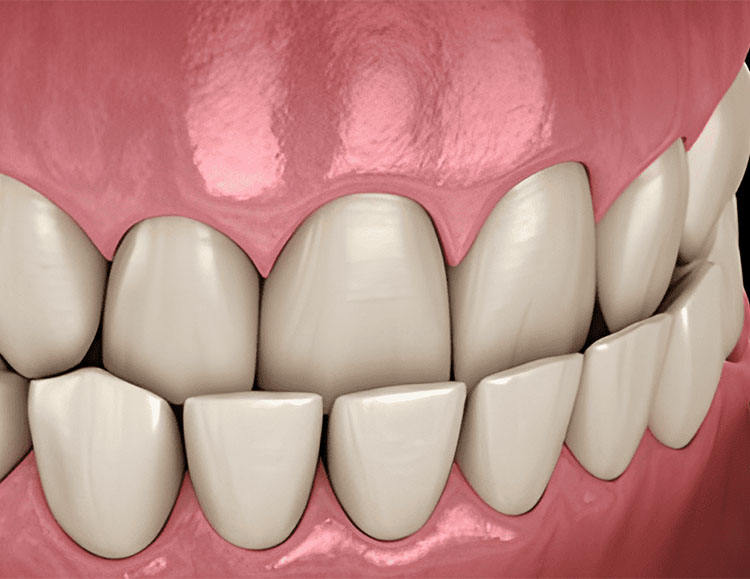
Prognathism of the lower jaw or/and retrognathism of the upper jaw
When the lower jaw is positioned more forward in relation to the upper jaw, the functional and aesthetic condition of the mouth and face is disrupted. It is recommended that orthodontic/orthopedic monitoring or/and intervention should begin for the orthodontic patient at the age of 8, in order to benefit from optimal therapeutic possibilities. Otherwise, the restoration of the jaws may likely require later (during adulthood) orthognathic surgery.
